

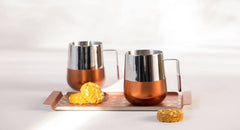

How to Remove Rust From Stainless Steel
Stainless steel is known for its sleek appearance, strength, and long-lasting performance. From modern Stainless Steel kitchens and dining spaces to premium cookware and home décor, it brings together durability and timeless design in a way very few materials can. But here’s the thing. Even stainless steel is not completely immune to rust.
Many people assume stainless steel can never stain, corrode, or develop rust marks. In reality, under certain conditions, rust can appear on the surface over time. Water exposure, salt, scratches, harsh cleaning products, or poor maintenance can slowly damage the protective layer that keeps stainless steel resistant to corrosion.
But the rust on stainless steel is usually manageable when treated early. With the right cleaning methods and care routine, you can restore the surface and maintain its original shine without damaging the material.
In this guide, we’ll break down why stainless steel rusts, how to remove rust safely, what mistakes to avoid during cleaning, and how to keep your stainless steel products looking premium for years.
Why Does Stainless Steel Rust?
Stainless steel contains chromium, a metal that reacts with oxygen to form a thin invisible protective layer called chromium oxide. This layer acts like a shield against moisture, oxygen, and corrosion.
When this protective layer gets damaged or weakened, the steel underneath becomes exposed. That’s when rust starts forming.
Breakdown of Chromium Oxide Layer and How It Gets Damaged
The chromium oxide layer repairs itself naturally in normal conditions. However, repeated exposure to harsh environments or improper cleaning habits can slowly break this protection down.
Once the layer is compromised, moisture and oxygen begin reacting with the metal surface, leading to rust spots, discoloration, or corrosion patches.
Common Causes of Rust on Stainless Steel
Exposure to Water and Oxygen
Constant contact with water, humidity, or wet conditions can gradually weaken the protective layer, especially when surfaces are not dried properly after use.
Chlorides and Salt
Salt is one of the biggest enemies of stainless steel. Coastal environments, salty foods, hard water, or cleaning chemicals containing chlorides which can accelerate corrosion rapidly.
Scratches or Poor Maintenance
Using abrasive scrubbers, steel wool, or harsh cleaning tools can scratch the surface. These scratches damage the protective layer and create spots where rust can develop more easily.
Lack of regular cleaning also allows dirt, grease, and moisture to settle on the surface, increasing the chances of corrosion over time.
7 Ways to Remove Rust from Stainless Steel

Not all chemicals are aggressive enough to be used to remove rust from stainless steel. Simple ingredients from your kitchen itself works surprisingly well when used correctly.
Let's look at some safe methods to remove rust at home:
1. Baking Soda Paste
Combine baking soda with a little water to form a paste. Cover the rusted part with it and leave for about 20-30 minutes. Then, lightly rub with a soft cloth or a sponge that doesn't scratch.
Baking soda is slightly alkaline, and this will not scratch the surface of your stainless steel, but will help to loosen the rust. It is most effective for light rust and regular upkeep cleaning.
2. White Vinegar
The vinegar can be applied directly to the rusted surface, or a cloth soaked in vinegar can be left over the rusted surface for a period of time. Then gently clean and rinse with clean water.
If stains are hard to remove, do so a couple of times.
3. Lemon Juice and Salt
Cover the rusted spot with salt and freshly squeezed lemon juice. Allow to stand for 20-25 minutes and gently scour with a soft sponge.
Lemon's acidity helps remove rust, and salt provides slight abrasion. This method can also restore the brightness of a dull stainless steel surface.
4. Baking Soda and Vinegar Combo
Apply vinegar to the area, and then apply baking soda over it. The fizzing reaction helps remove rust from the surface of the steel. Let it stand for a short time, then wash gently and thoroughly.
For acidic solutions, however, do not leave them sitting on the steel for extended periods as this can cause damage to the finish of stainless steel.
5. Potato and Dish Soap Method
Potato: It may sound strange, but potatoes are an excellent natural rust remover.
Divide the potato in half and coat the cut surface with dish soap. Apply to the rusted surface and leave for a few minutes before wiping down. It is a gentle cleaner for delicate surfaces or decorative stainless steel applications.
6. Commercial Rust Removers
If rust is severe, rust removal or commercial stainless steel cleaners may be helpful. Commercial cleaners are perfect for high-end kitchen appliances, sinks, and larger stainless steel surfaces.
7. Oxalic Acid Cleaners
Oxalic acid can be used; it is good for tough rust stains. Use a soft cloth and clean properly after applying. Always wear gloves and do not overuse them.
Things to Avoid When Cleaning Stainless Steel
Often, the cleaning process is worse than the rust itself! To ensure stainless steel maintains its attractive, protective appearance and qualities, it must be properly cared for. Here are just a couple of things you should avoid.
Avoid Steel Wool or Harsh Scrubbers
Using steel wool will result in very fine iron particles adhering to the stainless steel surface, which may cause corrosion in the future. Instead, use a microfiber cloth, a soft sponge, or a scrub pad that doesn't damage the surface.
Do Not Use Bleach
Bleach contains chlorides, which may be able to destroy the protective chromium oxide layer. Over time, diluted bleach solutions can also lead to corrosion.
Avoid Leaving Water on the Surface
Water stagnation can lead to mineral buildup and moisture, ultimately causing rust spots. After cleaning or washing, dry the stainless steel surfaces.
Never Scrub Against the Grain
Many stainless steel surfaces exhibit a visible grain pattern. Scratches and a dull look can result from cleaning against the grain. Wipe only with the grain for optimum results.
Avoid Overusing Harsh Chemicals
If frequently used, the surface finish may be harmed by strong acids/industrial cleaners. Typically, routine maintenance can be done with gentle cleaning methods.
Tips to Prevent Rust on Stainless Steel
It's easier to prevent than to restore. With proper care and maintenance, stainless steel products can remain shiny and durable for many years.
Clean Regularly
Regular maintenance prevents the accumulation of grease, dirt, and moisture. A soft, moistened cloth can make a difference, even a quick wipe.
Dry Surfaces Properly
Wash and clean the surface, then dry with a microfiber cloth to get it dry. It will help to avoid water spots and moisture-induced corrosion.
Use Gentle Cleaning Products
Regular maintenance can be done with mild soap solutions and with stainless steel friendly cleaners. Avoid harsh chemicals when they're not absolutely required.
Keep Away from Excess Salt Exposure
Clean and dry stainless steel more often when exposed to salty foods or coastal air. Salt is more corrosive than normal moisture.
Polish Occasionally
A good stainless steel polish will help keep the surface shiny and provide an additional protective barrier against moisture and fingerprints.
Handle Scratches Carefully
Even minor scratches should be dealt with at an early stage to prevent them from becoming a point of corrosion. Avoid abrasive scrubbing tools; use correct stainless steel polishing techniques.
Experience Premium Rust-Free Stainless Steel with Arttd'inox
Luxury stainless steel deserves more than basic functionality. It should combine durability, craftsmanship, and timeless aesthetics. That’s where Arttd'inox stands apart.
Arttd'inox is known for redefining stainless steel through luxury design and premium craftsmanship. From elegant modular kitchens and dining collections to sophisticated home décor, the brand blends innovation with modern living.
Every product reflects attention to detail, refined aesthetics, and long-term performance.
Why Arttd'inox Products Resist Rust
Arttd'inox products are crafted using high-quality stainless steel designed for durability and everyday use.
The finishing process, premium-grade materials, and precision engineering help create surfaces that resist staining, corrosion, and wear far better than ordinary steel products.
This makes them ideal for modern homes where style and functionality need to coexist effortlessly.
Maintenance Tips for Arttd'inox Products
Maintaining premium stainless steel products does not require complicated routines.
Simple habits can preserve their appearance for years:
- Wipe surfaces regularly with a soft microfiber cloth
- Avoid abrasive cleaning pads
- Dry after washing
- Use stainless steel-safe cleaning products
- Clean spills quickly, especially acidic or salty substances
With proper care, Arttd'inox products retain their brilliance while continuing to elevate the overall look of your space.
Conclusion
Rust on stainless steel may seem surprising, but it is usually preventable and manageable with the right approach.
Understanding how stainless steel works is the first step. Once the protective chromium oxide layer is damaged through moisture, salt exposure, scratches, or harsh chemicals, rust can begin to form. Fortunately, methods like baking soda, vinegar, lemon juice, and specialized stainless steel cleaners can effectively restore the surface when used properly.
At the same time, prevention matters just as much as cleaning. Regular maintenance, gentle cleaning practices, and proper drying can significantly extend the life and appearance of stainless steel products.
Premium stainless steel is an investment in both functionality and design. And when cared for correctly, it continues to deliver elegance, durability, and performance for years to come.
Frequently Asked Questions
1. What is the best way to get rust off of stainless steel?
Gentle cleaning solutions such as a baking soda paste, white vinegar solution, and a soft microfiber cloth are the most effective methods for removing rust from stainless steel. These methods help remove rust from the stainless steel without harming the protective chromium layer, thereby maintaining the stainless steel surface smooth, clean, and with corrosion protection in the long term.
2. Can vinegar remove rust from stainless steel?
Yes, white vinegar can be used to eliminate rust because of the mild acetic acid it contains, which naturally breaks down surface rust. Spray or apply vinegar directly on the rusted area, allow it to stand for a short period of time, and gently wipe with a soft cloth to remove the rust. Rinse and dry the surface afterward to avoid moisture build-up.
3. What is the fastest way to remove rust from stainless steel?
A commercial cleaner for rust on steel is the fastest way to remove rust; an oxalic acid cleaner is another option. These products are designed with a special formulation that removes stubborn rust efficiently. When applied correctly and gently scrubbed with non-abrasive cleaning tools, vinegar and baking soda can also be effective at removing light rust.
4. What removes rust permanently?
Rust removal can be long-lasting when the surface is properly cleaned and protected afterward, but no solution permanently removes rust if the steel remains exposed to moisture, salt, or harsh chemicals. Regular cleaning, drying, and proper maintenance are essential to prevent rust from returning on stainless steel surfaces.
5. What is the best homemade rust remover?
One of the best homemade rust removers is a baking soda paste made with water. It is safe, non-abrasive, and effective for light rust stains. Another popular natural remedy is the use of lemon juice mixed with white vinegar and salt, which helps in removing rust without damaging stainless steel surfaces.
6. Which chemical can remove rust?
Oxalic acid is one of the most effective chemicals for removing rust from stainless steel. It is commonly found in specialized stainless steel cleaners and rust-removal products. Phosphoric acid is another commonly used rust-removing chemical, but it should be handled carefully and used according to product safety instructions.


 Follow us
 Follow us
Leave a comment
Note: Comments are published after moderation.